
13 October 2025
Cervical rectification: symptoms and chiropractic care
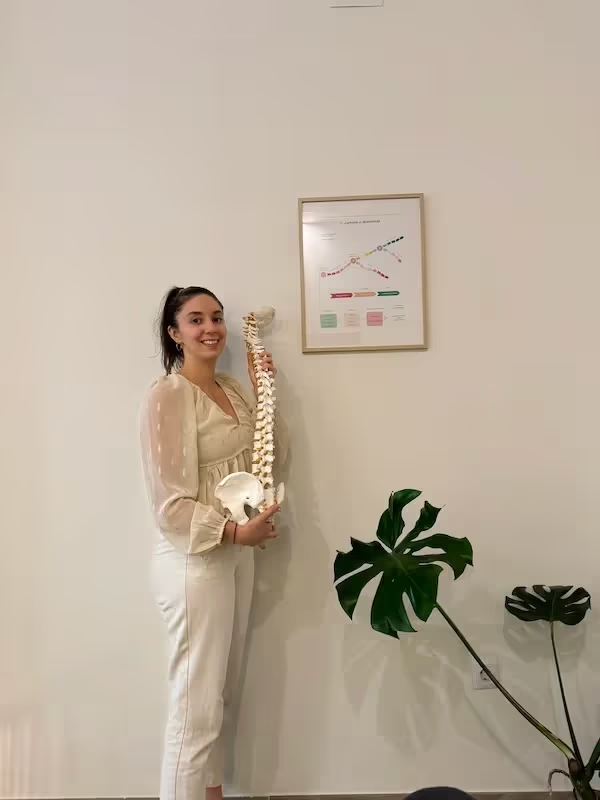 Léa Guido
What is cervical rectification?
Cervical rectification is the partial or total loss of the neck's natural curve. Instead of the usual C-shape, the cervical vertebrae line up in a straighter position, which changes how loads are distributed along the spine.
Common causes
It usually develops gradually from sustained poor posture, especially spending hours looking down at a phone or computer with a flexed neck. It can also appear after an impact or whiplash injury, or simply as a result of natural wear over the years.
Common symptoms
People with cervical rectification often notice stiffness and tiredness in the neck by the end of the day, pain that spreads to the shoulders, tension headaches, and sometimes mild dizziness or a feeling of instability when moving the head.
Chiropractic care
Care begins with an assessment of posture and cervical mobility. From there, specific adjustments aim to release joint restrictions, while strengthening exercises and postural guidance work to help the spine progressively regain a more functional curve.
Frequently asked questions
Does cervical rectification always cause pain? Not necessarily. Some people have it with almost no symptoms, while others experience clear discomfort; it depends on the degree and the individual case.
Can it be fully reversed? In many cases, significant improvement is achieved, though the degree of recovery depends on how long it's been present and commitment to the prescribed exercises.
How long does care take? It varies from person to person, but usually requires consistent care over several weeks or months to consolidate results.
Can I keep exercising with cervical rectification? Yes, generally it's recommended, while avoiding postures that strain the neck and prioritizing activities that strengthen the supporting muscles.
When should I see a professional? If you notice persistent stiffness, pain that doesn't improve, tingling in the arms, or frequent dizziness, it's best to get evaluated as soon as possible.