
For everyone
Athletes
Back, hip or neck pain that holds back your training, and a gradual return to sport after an injury.
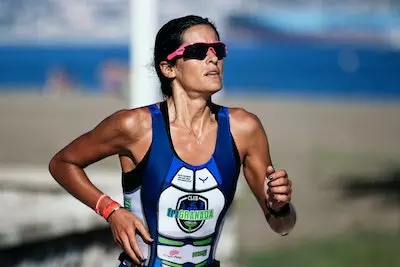
In countries where chiropractic is more established it is common in clubs and teams, as part of a health team with physiotherapists and sports doctors.
Where it has scientific support is back and neck pain. There is no solid evidence that adjustments increase strength or performance, so we will not promise you that.
Athletes come to us for three reasons:
- Pain that limits training: back, hip or neck pain that shows up with load and never quite goes away.
- Returning after an injury: athletes who have only partly recovered and want to build back up gradually, with exercises for home.
- Preparing for a goal: checking mobility and load before a race such as the Valencia Marathon.
What we see most, by sport
- Running: low back pain, buttock or hip pain and knee aches that appear as the mileage goes up.
- Cycling: neck and lower back pain, and tingling hands after hours in the same position.
- Padel and tennis: low back pain and pain between the shoulder blades from rotation, and shoulder aches.
- Gym and CrossFit: low back pain after lifting, and neck and shoulder pain.
- Swimming: neck and shoulder pain from turning to breathe.
How we work
At the first visit we ask about your training (volume, recent changes, goals), examine your spine, pelvis and the joints involved, and rule out anything that needs a doctor.
Treatment combines manual therapy, with gentle adjustments and mobilisation, and exercise: mobility, strength and movement control. The most important part is usually adjusting your load, not stopping training altogether.
Where needed, we work alongside your physiotherapist, coach or sports doctor.
Getting back to training without relapsing
A simple guide we use with many athletes: you can train if pain during exercise stays at 3 out of 10 or below and settles back to where it was within 24 hours. If it climbs higher or takes longer to settle, reduce volume or intensity in the next session.
- Build volume gradually, without big jumps from one week to the next.
- Keep your strength up while injured: whatever does not hurt, keep training.
- Sleep and recover: load only turns into progress with rest.
When to see a doctor first
- Pain after a fall or blow with deformity, or that stops you putting weight on the limb
- A knee that swells within hours of a twist, or that locks or gives way
- Pain at one spot on a bone that gets worse when running and comes on earlier each time (possible stress fracture)
- Tingling, numbness or weakness in your arms or legs
- Chest pain or tightness, unusual breathlessness or dizziness during exercise: stop and call 112
Read more
- Preparing for the Valencia Marathon
- Gonalgia: knee pain
- Why does my hip hurt if I am young?
- Low back pain
- Herniated disc: heat or ice?
Related symptoms
Herniated disc
Sports injuries
Lower back pain
Do you want to start feeling better?
Whether you have an illness or want to boost your health, let us help you naturally. Our patients have improved their health and you can be next!
Book your visit